20 Oct 2026
Skylight Glass Explained: Laminated, Double-Glazed and Low-E Glass — Which Is Right for Your Project?
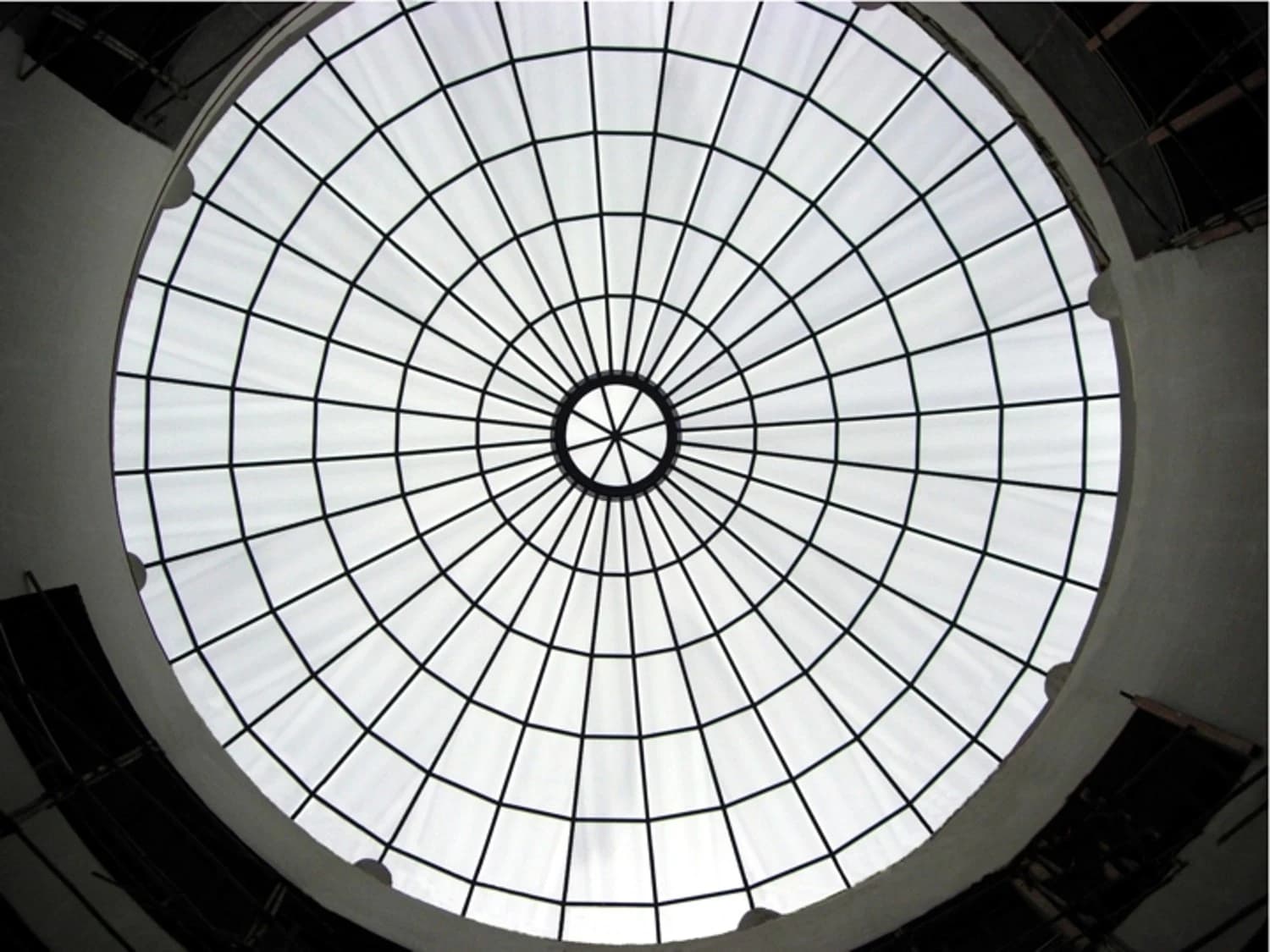
Glass plays a defining role in skylight performance. It determines how much daylight enters a space, how much solar heat is transmitted, and how the glazed roof performs in terms of safety and thermal comfort.
For architects, designers and homeowners planning a skylight in India, understanding the differences between laminated glass, reflective glass, Low-E glass and double-glazed units (DGU) is essential to making an informed decision.
1. Laminated Glass: An Important Safety Consideration
Laminated glass consists of two or more glass panes bonded together using an interlayer, commonly polyvinyl butyral (PVB).
If the glass breaks, the interlayer helps hold the fragments together rather than allowing them to fall freely. This is particularly relevant for overhead glazing, where falling glass can pose a serious safety risk.
However, laminated glass is not automatically suitable for every skylight application. The glass build-up, interlayer, support conditions and applicable safety requirements must be evaluated for the specific installation.
2. Reflective Glass: Managing Solar Heat Gain
Skylights receive direct solar radiation and can contribute to indoor heat gain, particularly in warm climates.
Reflective glass incorporates a coating designed to reflect a portion of incoming solar energy. Depending on the product, it can help reduce solar heat entering the building while providing a particular exterior appearance.
The important consideration is that not all reflective glass performs equally. Two products that look similar may have different solar heat gain, light transmission and colour characteristics.
Glass should therefore be selected using its documented performance data rather than appearance alone.
3. Low-E Glass: Improving Thermal Performance
Low-emissivity, or Low-E, glass incorporates a specialised coating that reduces the transfer of radiant heat across the glazing system. Its performance depends on the coating type, its position within the glass assembly, and the overall configuration of the glazing unit.
For skylights, Low-E glass can be considered alongside reflective glass to achieve a balance between solar control, daylight and thermal insulation.
The correct specification depends on the building's orientation, air-conditioning requirements and desired indoor environment.
4. What Is a Double-Glazed Unit (DGU)?
A double-glazed unit consists of two glass assemblies separated by a spacer and a sealed cavity, typically filled with air or an insulating gas.
The cavity reduces heat transfer between the two panes compared with many single-glazed configurations. When combined with suitable glass coatings, a DGU can improve the thermal performance of the skylight.
For example, a bespoke skylight DGU might incorporate a laminated exterior glass assembly, a sealed cavity and a Low-E-treated interior glass assembly. The exact arrangement depends on the project's structural, safety and thermal requirements.
It is important to remember that the spacer, edge seals and overall unit construction are also critical to long-term performance.
5. Understanding the Key Glass Performance Parameters
When comparing glazing specifications, four parameters are particularly useful:
- Solar factor or g-value: Indicates the proportion of incident solar energy that enters the building as heat.
- U-value: Measures heat transfer through the glazing; a lower value generally indicates better insulation.
- Visible Light Transmission (VLT): Indicates how much visible light passes through the glazing.
- Selectivity: Describes the relationship between visible light transmission and solar heat gain, helping compare daylight performance against solar control.
These parameters should be considered together. A glass specification that minimises heat gain may also reduce daylight, while highly transparent glazing may require additional solar-control measures.
6. Choosing the Right Specification
There is no single glass specification that suits every skylight. The right choice depends on the roof orientation, local climate, intended use, safety requirements and architectural design.
At SkyDomes Atelier, glazing is considered as part of the complete skylight system, alongside bespoke aluminium framing, structural requirements and weatherproofing details.
The objective is not simply to select a glass that looks good, but to create a skylight that delivers the right balance of daylight, thermal comfort, safety and architectural appeal.
Planning a skylight?
Share your drawings or site details and our team will get back to you.
Get in touch